I didn’t set out to write a novel.
I set out to survive a moment when I felt like I was disappearing.
Last year, I was sitting motionless on my couch — not resting, just heavy. I’d been trying to fit into a job that wasn’t right, holding things together on the surface while disappearing inside.
In that stillness, I saw something I’d been avoiding: the shadows of my past weren’t behind me. They were stretching into the present, threatening to darken everything ahead.
Almost instinctively, I picked up a notebook.
What spilled out wasn’t an essay. It was a poem.
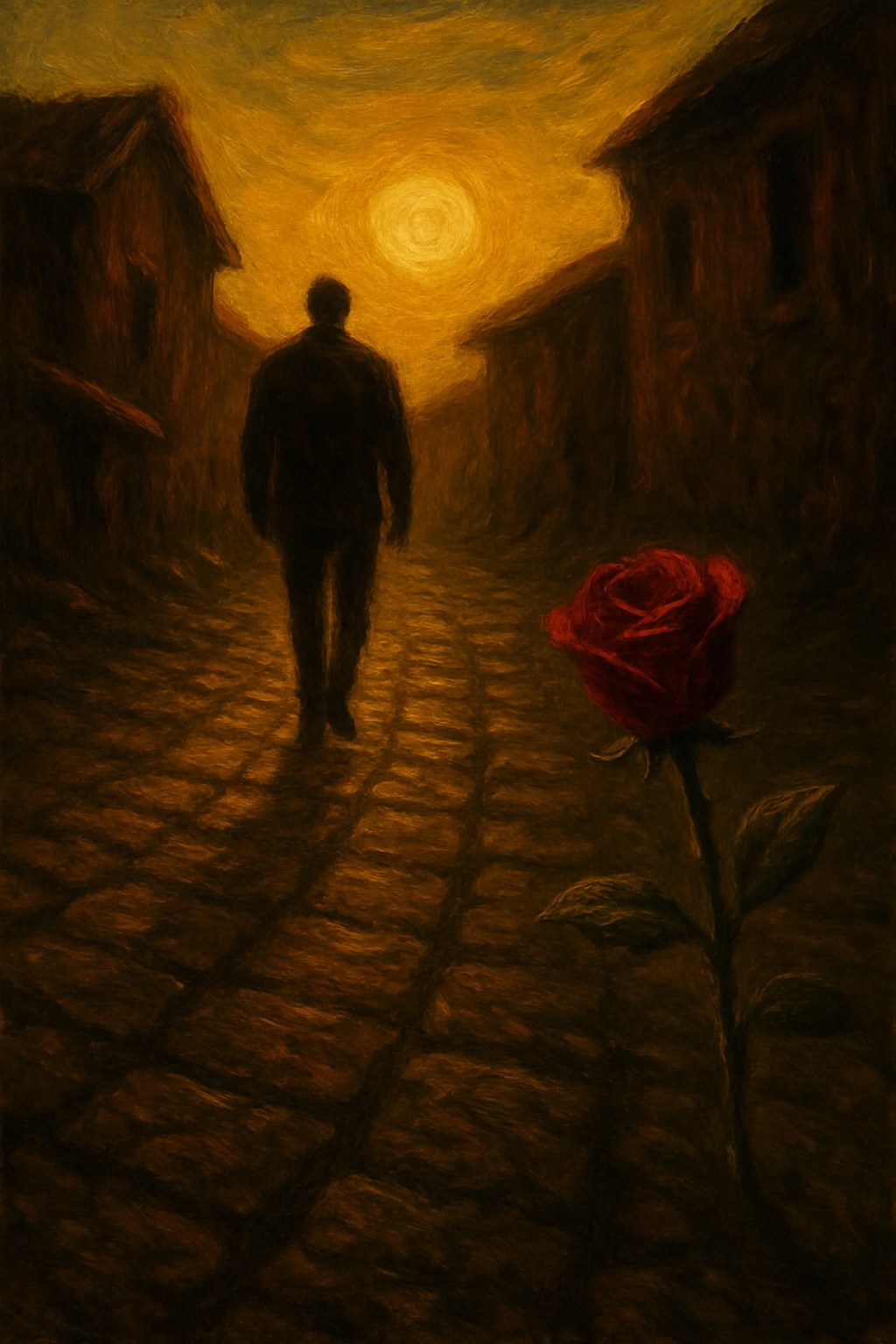
“Feet on stone, worn smooth by lives before me. Steps echo, not just mine.”
That fragment — walking among ruins, feeling the weight of history and silence — became the seed of Shards of Belonging, my first novel.
The Questions a Poem Couldn’t Hold
The poem was called “As I See You, I See Myself.”
It moved through memory: a child’s cry sharp as broken glass, learning to be silent, learning to be stone.
When I finished, I thought I was done.
But questions kept pouring through:
What does it cost to keep performing instead of showing up fully? How do we face inherited shadows and still choose light? How do we stop abandoning ourselves in order to belong?
Twenty lines couldn’t hold those questions.
So, I kept writing.
From Fragment to Mirror
At first, I didn’t know I was writing a novel. Just fragments. Scenes. Images from memory.
But they started stitching together.
Every character, every silence became a reflection of what I was wrestling with: performance vs. authenticity. Fear vs. love. Escape vs. staying.
I’d been living by inherited rules for years. Staying in situations that weren’t right because I thought that’s what “responsible” people do. Working harder to feel worthy.
It looked like progress.
It was survival — not living.
The novel became a way to explore what I couldn’t articulate otherwise.
What It Became
Shards of Belonging: A Canvas of Silence follows Sabir, an artist in diaspora who left his village to escape its constraints. Then his mother dies, and he has to return — to everything he thought he’d left behind.
The “shards” are fragments we carry — memory, identity, hope — that don’t always fit together. They cut. They weigh heavy. But they’re also worth keeping.
The “canvas of silence” is the space where those fragments are finally held.
The novel asks:
Can you belong to a place that shaped you without being consumed by it?
And deeper: Can you finally come home to yourself?
Why It Matters
Writing this forced me to see: so much of who I thought I “had to be” was simply survival.
And survival is not the same as living.
The novel doesn’t solve anything. It creates space to ask:
∙ What does it cost to keep performing?
∙ How do we face inherited shadows and still choose light?
∙ How do we stop abandoning ourselves to belong?
These questions sit at the heart of marriages, careers, friendships — places where we most want to be seen.
My hope is that readers find themselves in Sabir’s journey. Not because circumstances match, but because the emotional terrain is familiar: doubt, silence, longing, courage.
If you’ve ever felt the tension between being accepted and being authentic, you may recognize yourself in these pages.
What Comes Next
The manuscript is complete. Shards of Belonging is moving toward publication.
What started as a scribbled poem on a heavy night has become a finished novel.
I hope it finds people who need it — those quietly asking: How do I live in truth without losing love? How do I belong without disappearing?
My dream is that it offers not certainty, but companionship. A mirror. A spark of courage.
Writing this was less about achievement and more about becoming
And I hope readers might feel less alone in their own becoming.
Sometimes a poem doesn’t want to stay small.
Sometimes 20 lines become 90,000 words.
And sometimes, the only way home is to write the path.
The Poem That Sparked It All
Before Shards of Belonging was a novel, it was just this poem. The spark that cracked me open — the fragment that grew into a story, and eventually into Shards of Belonging.
As I See You, I See Myself
Feet on stone, worn smooth by lives before me.
Steps echo, not just mine.
The past hums under my soles,
whispers between the cracks of brick and ruin.
The village breathes.
Old, new, ancient — layered like skin.
Bricks patched, some fresh, some crumbling,
like memories I carry,
like wounds that never learned to close.
The sun drapes the ruins in gold.
Softens the jagged edges.
For a moment, the past is beautiful,
not heavy.
But then —
A child’s cry, sharp as broken glass.
Not in the air, but inside me.
The scrape of a door slamming.
A voice, thick with anger.
I was small. I was silent.
I learned to be stone.
Now, I walk through shadows that know my name.
They cling to the corners,
spill over into the road ahead,
fog the future,
turn tomorrow into something blurred, uncertain.
But the sun —
it does not care for ghosts.
It stretches long over rooftops,
paints everything in its leaving light,
makes even the ruins glow.
A red rose, waiting for the sun to rise.
The cold, quiet breeze lurking.
The road mourns the echoes of past footsteps.
The sun shining through the clouds.
Love. Sadness. Loss. Hope.
They are the same road.
And so, I walk.
Originally published on Medium · Witnessing Moments
 Amer Malas | Fiction & Reflection
Leave a comment